{{ r.n }}Cross-cutting
{{ r.t }}
{{ r.d }}

An emerging national research resource
An established clinical network, research expertise and curated resources were brought into one framework, built for national expansion.
25,000+ ethically curated biospecimens, held in active storage.
10,000+ characterised antimicrobial-resistance isolates.
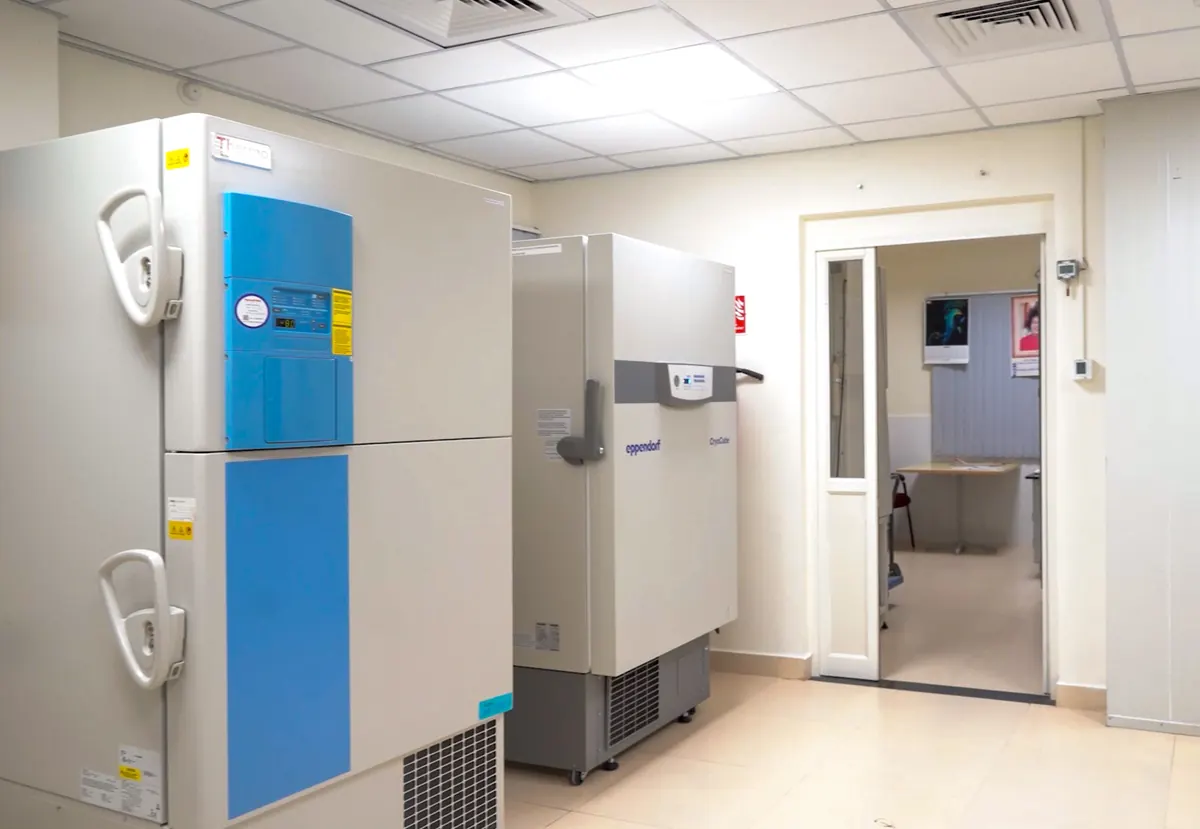
Modern laboratories, including BSL-1 and BSL-2 facilities and a Central Research Instruments Facility.
Sri Sathya Sai healthcare institutions providing a clinical base for recruitment and translational research.
Established work in AMR, AI-enabled diagnostics, cardiovascular biomarkers and regenerative medicine.
Established Institutional Ethics Committee and Institutional Biosafety Committee.
Research areas
Each programme links clinical phenotypes, biospecimens, imaging and molecular data, and builds on a defined clinical strength.
{{ r.d }}
{{ r.d }}
Research areas
Each programme links clinical phenotypes, biospecimens, imaging and molecular data, and builds on a defined clinical strength.
Biomarkers across heart and vascular disease.
Imaging, biospecimens and molecular data for earlier detection.
Deep phenotyping of neurodegenerative disease.
Diabetes and metabolic disease.
Obesity and its comorbidities.
Urological and renal disease, from recurrent infection onward.
Retinal imaging linked to biospecimens and data.
Musculoskeletal tissue biology to surgical outcomes.
Perinatal, antenatal and women’s health.
Uniting rare cases across the national network.
Amnion-based regenerative and tissue research.
Pathogen, genome and resistance linked to patient outcomes.
Across every programme
The power of integration
The value lies in connecting several layers of information around each patient.
Why SSSBRH - Sri Sathya Sai Biobank and Research Hub matters
Much of the evidence behind diagnostics and treatment in India was drawn from populations that do not represent Indian diversity. The Biobank was created to close that gap, with depth, a proven foundation, and a network patients trust.
Biospecimens, clinical data and outcomes from diverse Indian populations, so that findings apply to Indian patients.
Each sample connects to clinical, imaging, multiomic and longitudinal data, ready for AI-driven discovery.
25,000+ curated biospecimens, 10,000+ AMR isolates, and translational products already in use, including AMRx and a Troponin T biosensor.
Decades of care across the Sri Sathya Sai hospitals built deep, consented, long-term relationships with patients.
Our clinical network
The Biobank was anchored in a consortium of Sri Sathya Sai healthcare institutions, and is now extending to partner hospitals and centres nationwide.
 Sri Sathya Sai Institute of Higher Medical SciencesPrasanthigram, Andhra Pradesh↗
 Sri Sathya Sai General HospitalPrasanthi Nilayam↗Sri Sathya Sai Institute of Higher Medical SciencesWhitefield, Bengaluru↗
 Sri Sathya Sai Mobile HospitalPuttaparthi↗
 Sri Sathya Sai Institute of Higher LearningPuttaparthi↗
Join the network
Hospitals and clinical centres are invited to join, contributing to multicentre research, standardised biospecimen collection, longitudinal studies, specialised disease cohorts, rare-disease research and independent technology validation.
From bench to bedside
Each biological sample is connected to the clinical context in which it arose.
Governance, quality & ethics
The Biobank was established on institutional governance and a structured quality-management system.
Built for trust
Consent by design. Workspaces and donor-level data are kept apart. Code runs inside the hub, and results, logs and files pass through an output airlock before anything is released.
The right access for your research
Your approved purpose determines how you work with the hub.
The right access for your research
Your approved purpose determines how you work with the hub.
Explore before you request
A cohort explorer is planned to let researchers navigate clinical concepts (SNOMED CT), pair them with stored sample types, and shape a standards-based query (FHIR) for an access request.
Explore before you request
A cohort explorer is planned to let researchers navigate clinical concepts (SNOMED CT), pair them with stored sample types, and shape a standards-based query (FHIR) for an access request.
The research journey
A clearer path from sample to insight. Biospecimens are only as useful as the context around them, so samples and clinical records are brought together, then followed along one connected, consented path from discovery through to released results.
{{ jStep.x }}
The research journey
A clearer path from sample to insight. Biospecimens are only as useful as the context around them, so samples and clinical records are brought together, then followed along one connected, consented path from discovery through to released results.
The approved scope is checked by the Access Committee and remains auditable throughout the workflow.
When samples aren't ready
The sourcing path tracks the research need through prospective collection, processing and validation. Availability, consent and authorization are all required before access begins.
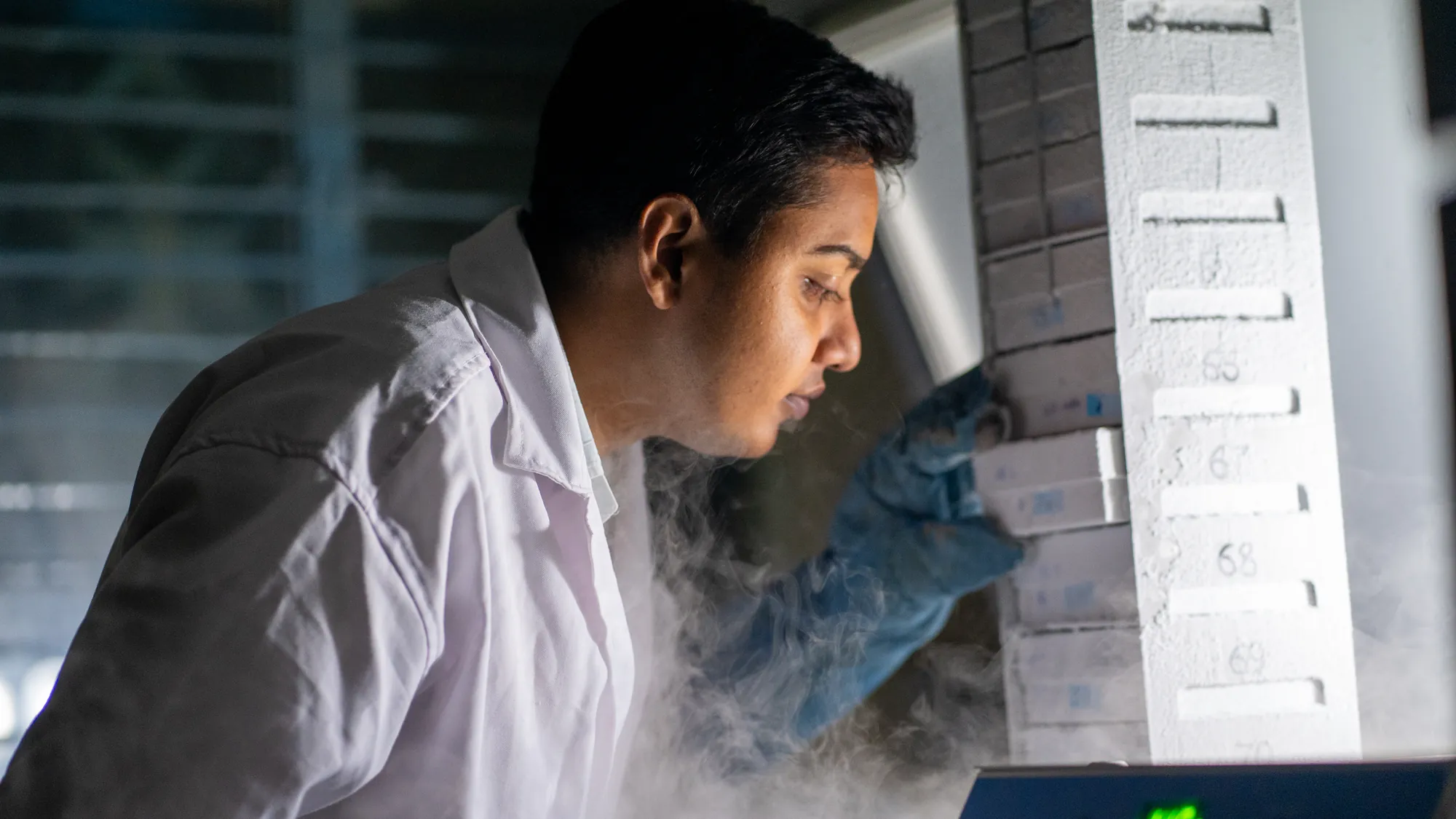
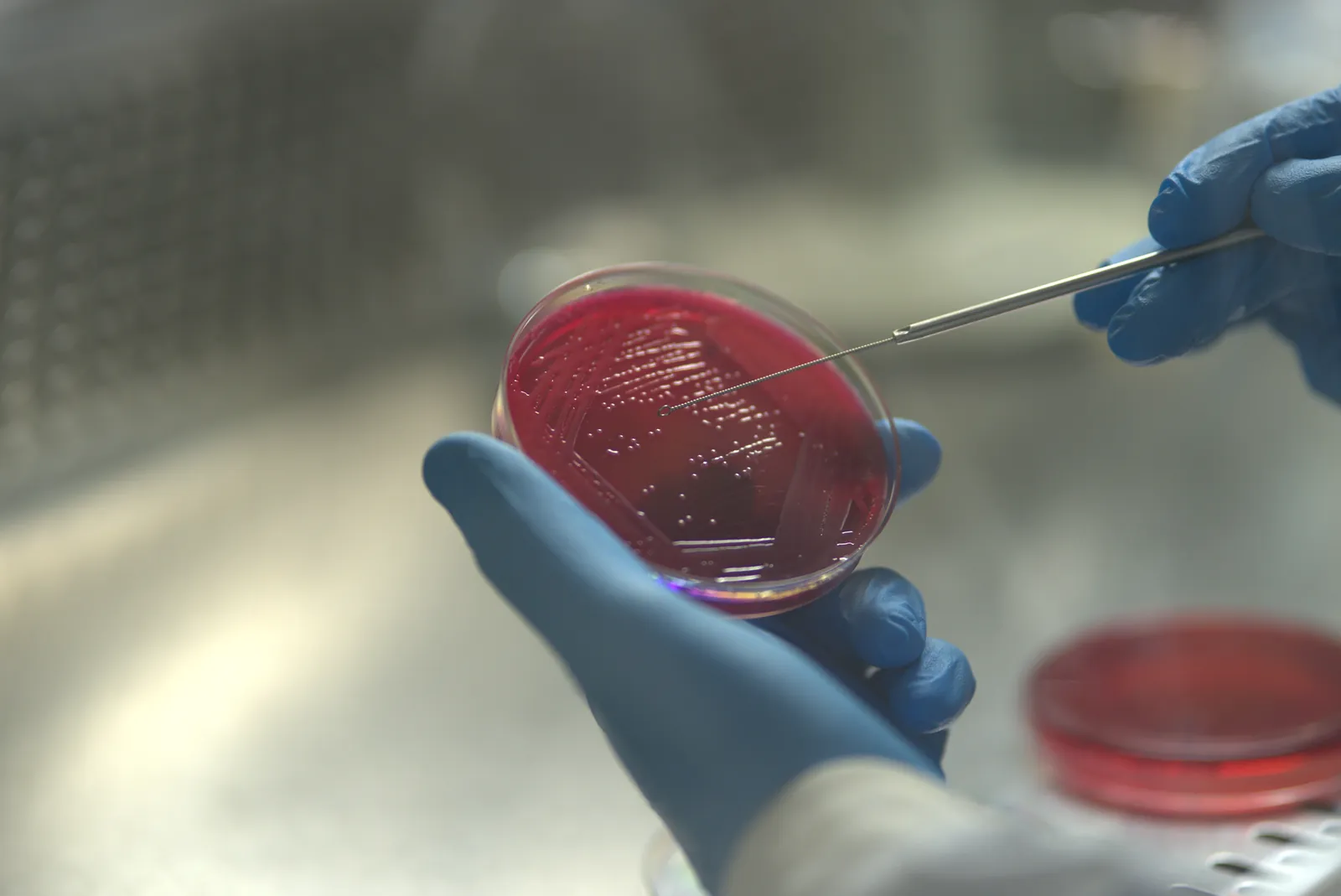
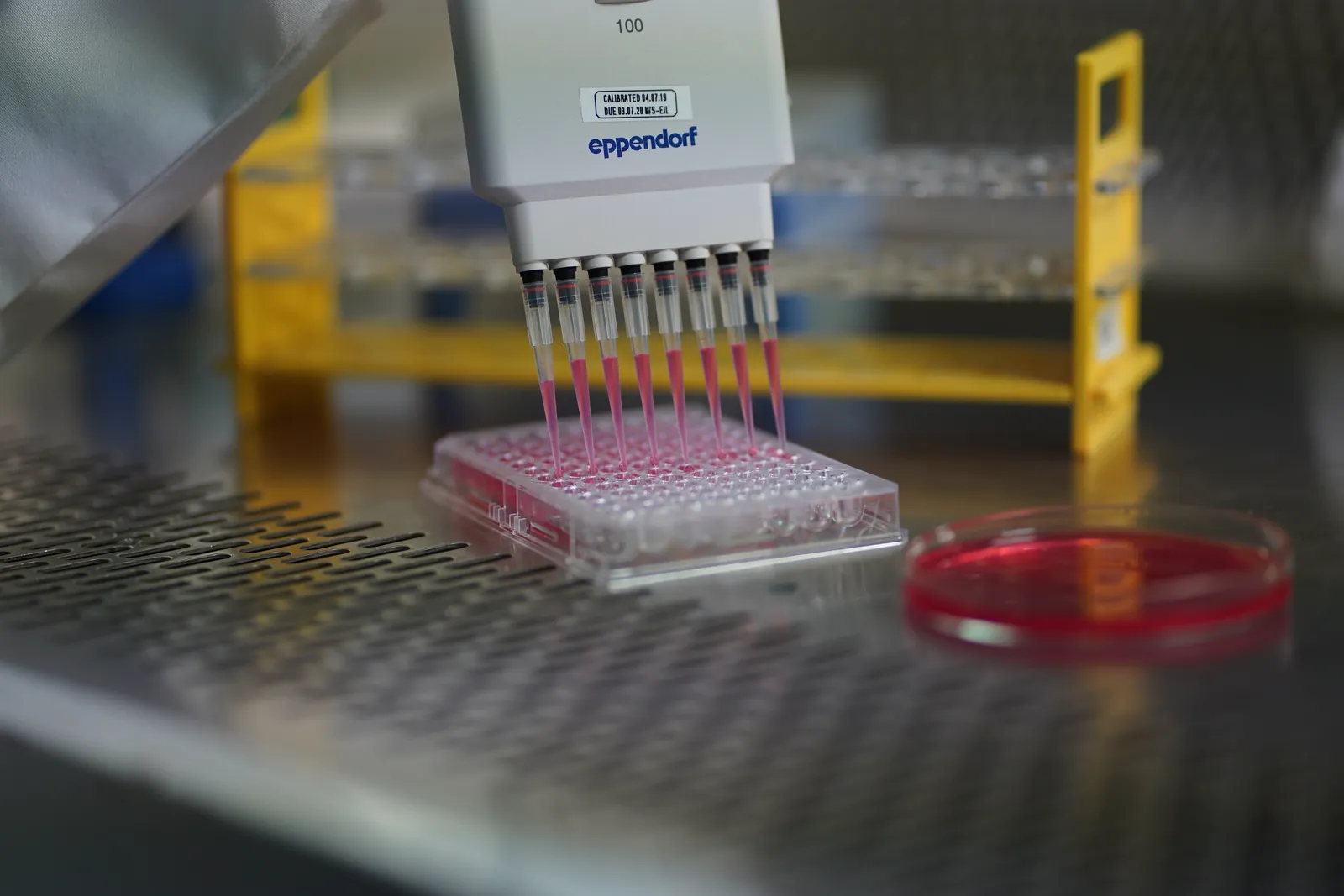
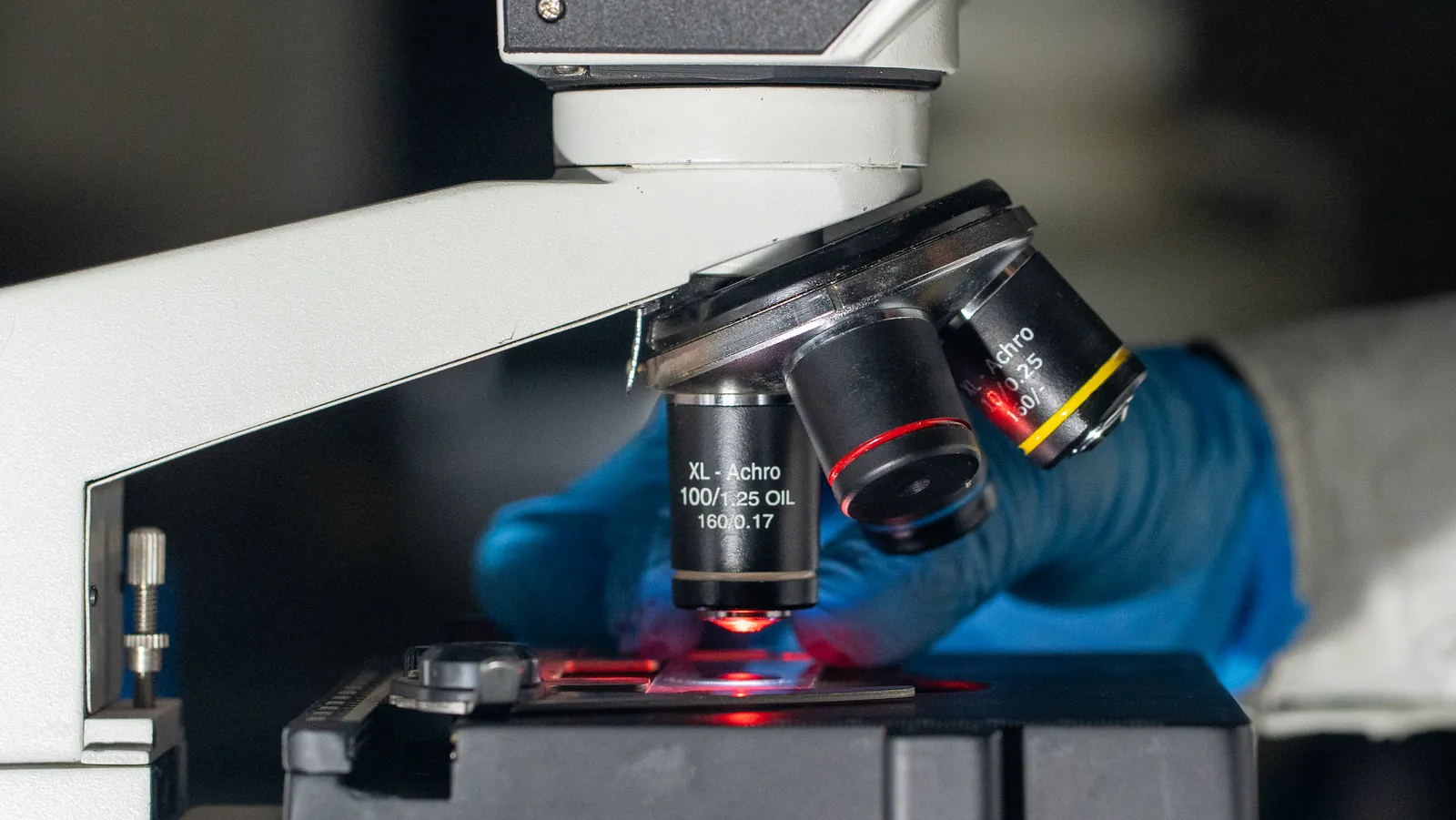
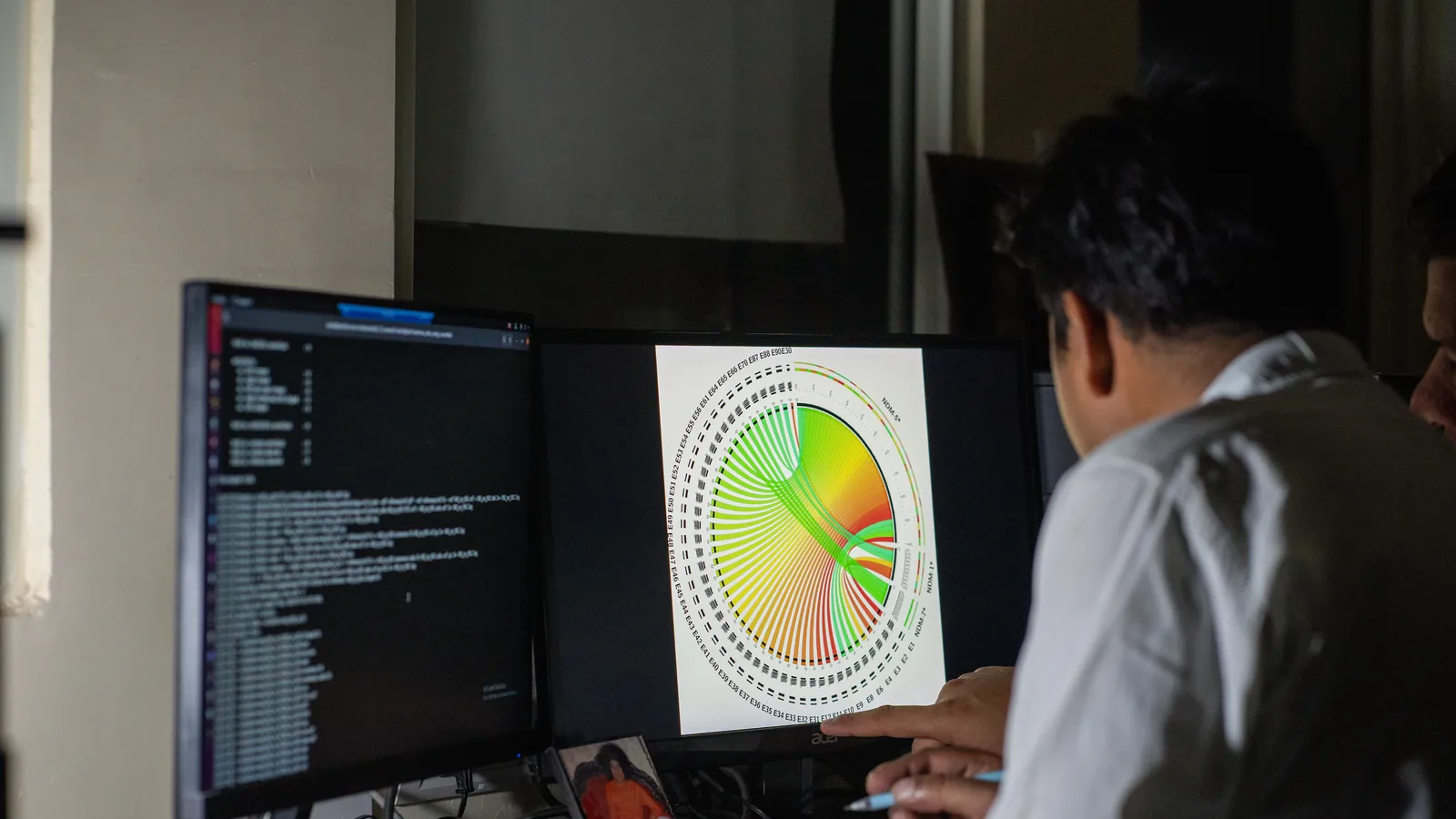
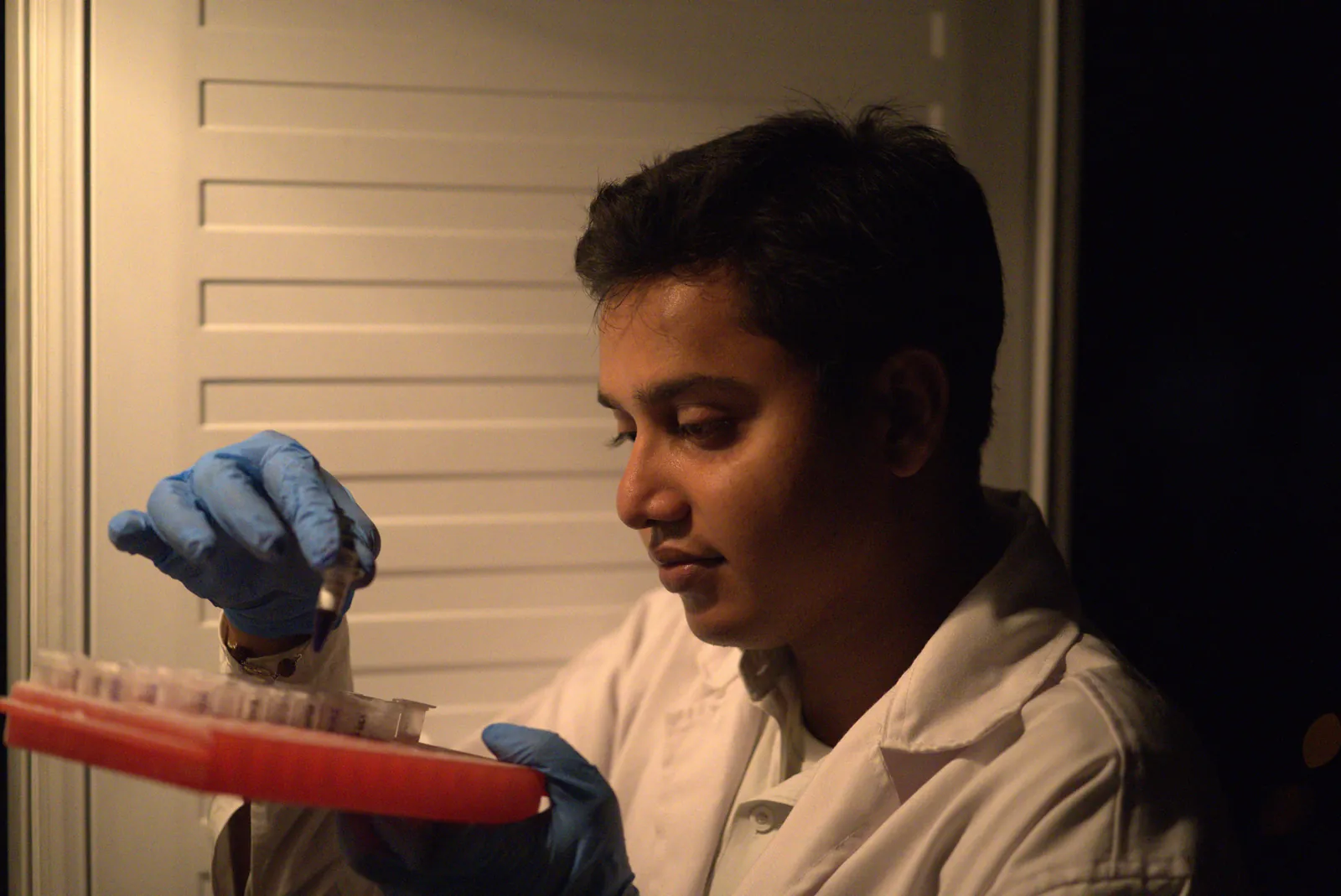
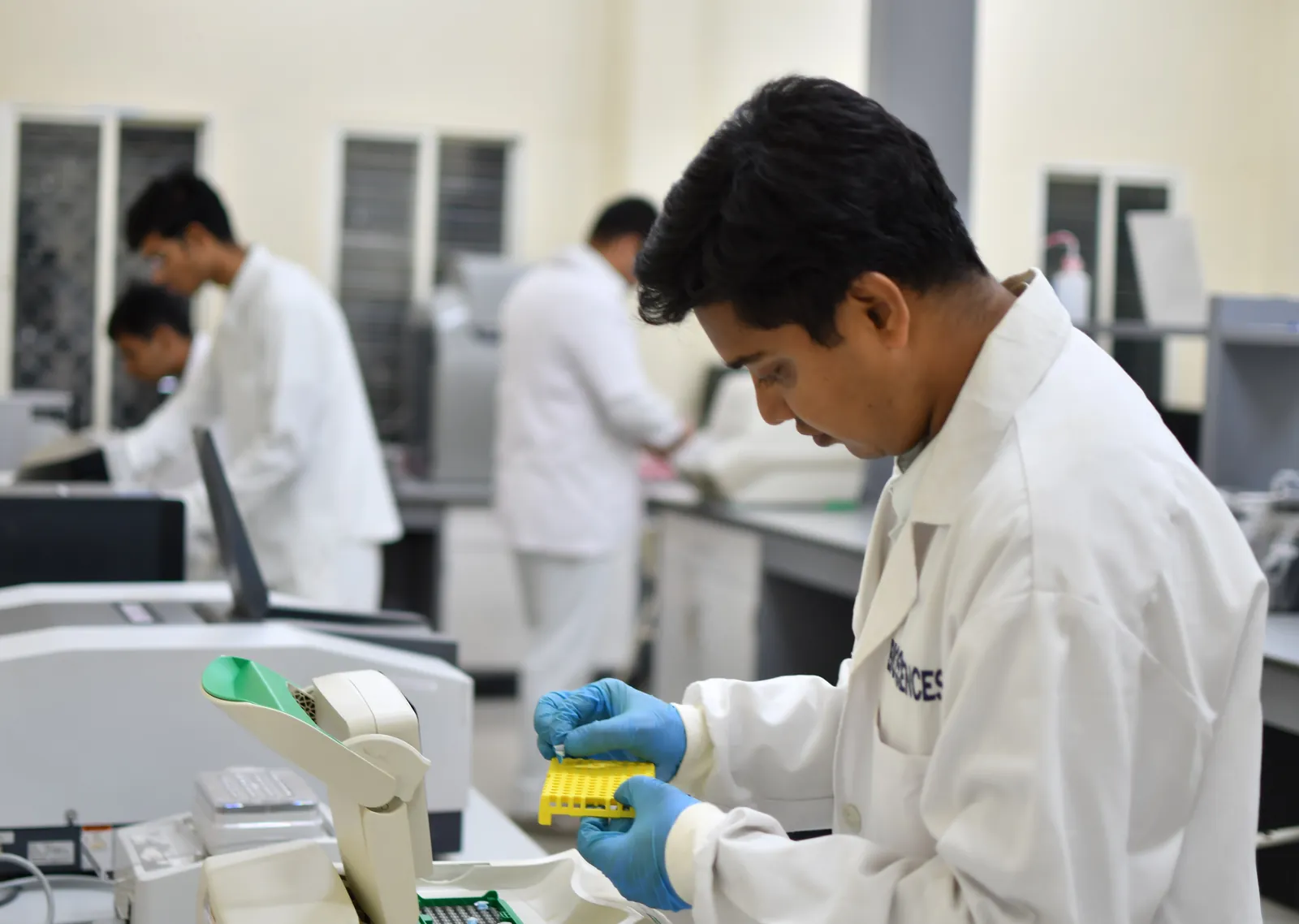
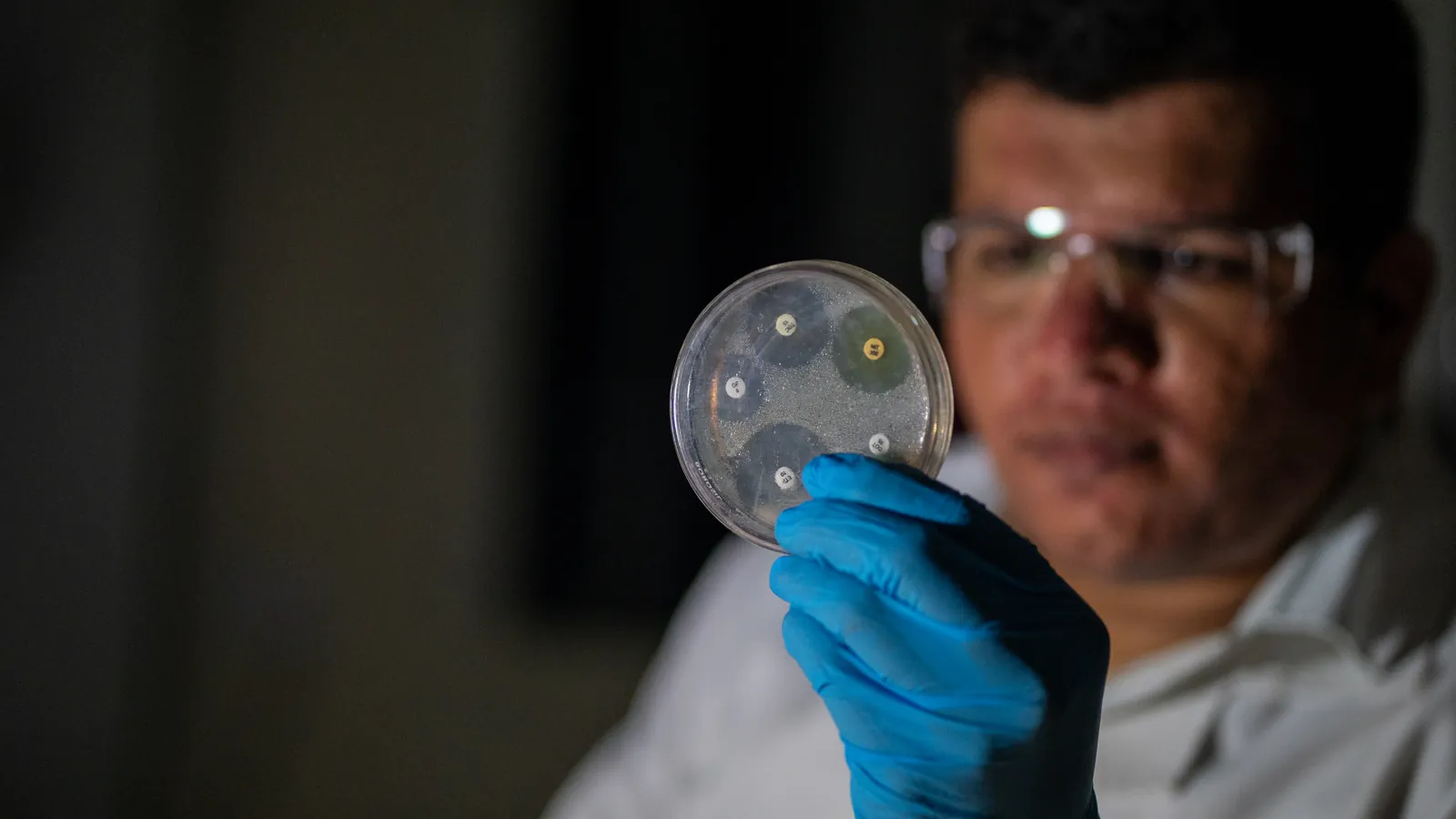
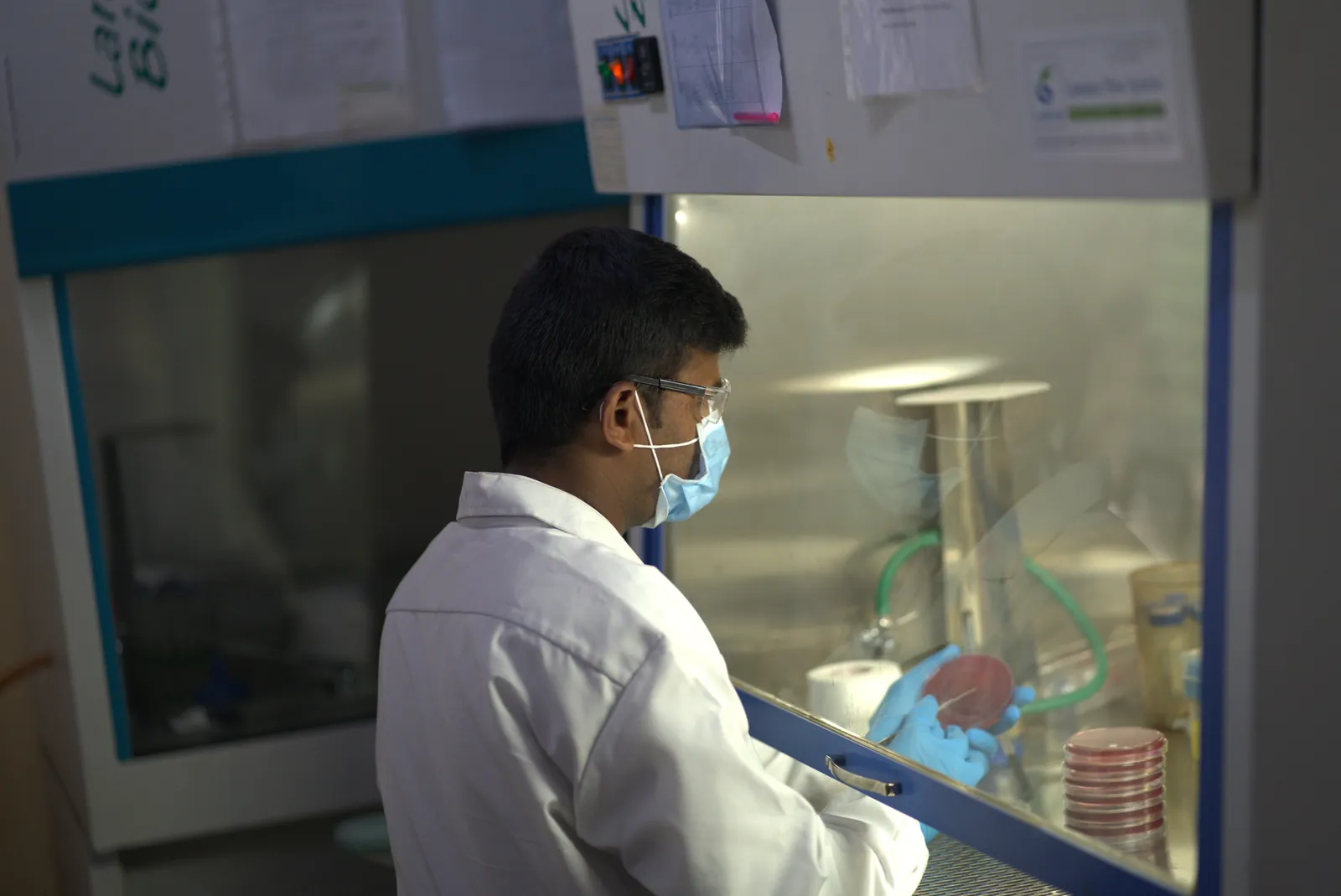
Inside the lab
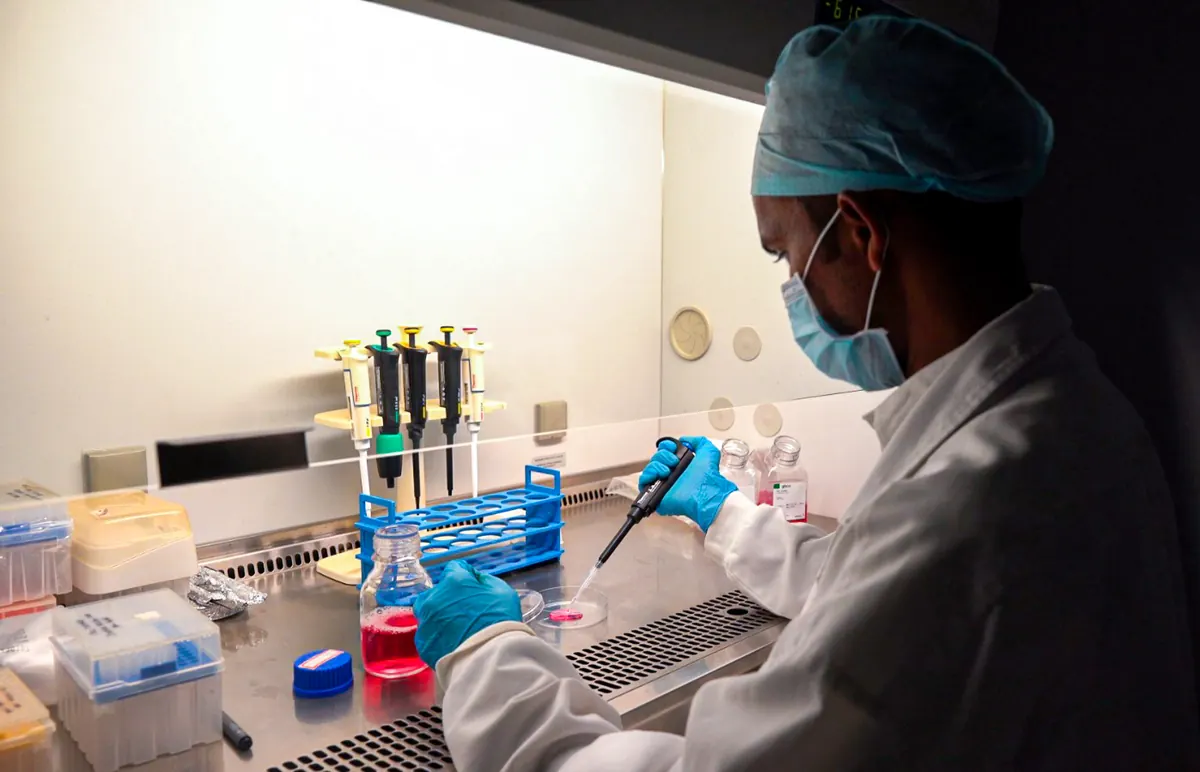
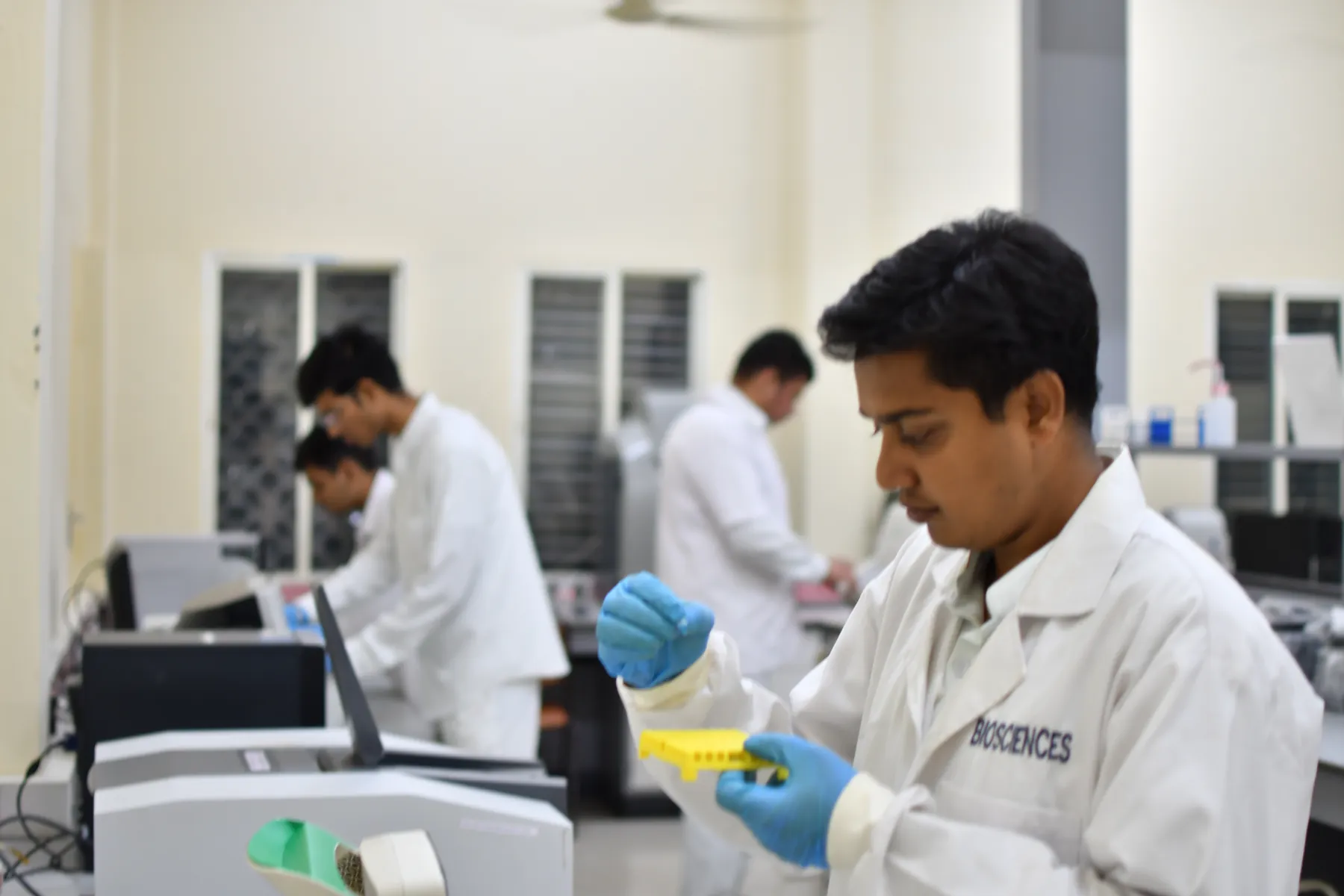
Every aliquot is handled, stored and studied by people who know its clinical story.
Swipe to explore →
Proposed infrastructure
The physical, digital and computational infrastructure of a national resource.
A digital health platform was planned alongside the Biobank to link biospecimens with structured clinical, laboratory, imaging and molecular information: diagnoses, investigations, treatments and outcomes; disease-specific and longitudinal imaging; multiomic datasets spanning genomics, transcriptomics and proteomics; secure computing for AI-enabled research; and tiered, governed access for approved research and collaboration.
Inside the hub
From collection bench to freezer to dataset, a connected set of tools is designed to keep every sample traceable, annotated and ready for the right question.
02 / CONNECT
FHIR-based access and SNOMED CT terminology bring structure to research questions, sample annotations and results.
03 / COMPUTE
Approved notebooks and controlled jobs give teams a place to work with linked data within their permitted scope.
04 / PRESERVE
Monitored cold storage, chain-of-custody records and standard operating procedures keep every aliquot fit for research.
05 / Sri Sathya Sai Health Databank
A proposed data lake structure supports the databank, with distinct layers for data ingestion, data storage to approved standards, and a service layer for research and innovation.
This will enable multiomics and computational research, built on future-ready AI, data engineering and diagnostics pipelines.
06 / Databank pipeline · illustrative
Consent, clinical records, biospecimens and raw omics enter on the left, pass through twelve governed processing steps, and leave as datasets researchers can use.
The long-term vision
Over the coming decade, the Biobank aims to connect biospecimens with longitudinal clinical and research information across diverse Indian populations.
Partner with us
The Biobank invites collaboration across sectors.
Access samples and linked data for approved studies.
Turn questions from the clinic into research.
Collaborate on discovery with clear public benefit.
Validate technologies on well-characterised cohorts.
Support collections, infrastructure and capacity.
See how donated samples are used and protected.
The five-year effort
The physical biobank, the Sri Sathya Sai Healthcare Databank, automated and cryogenic storage, the national hospital network and the governance framework.
A few things to know
Understand discovery, access, and what happens to samples and results.
{{ f.a }}
A few things to know
Understand discovery, access, and what happens to samples and results.
Explore the sample catalogue and clinical concepts, then shape a standards-based request for review.
Access depends on your approved purpose, along three paths: data access, sample access and research collaboration.
Donor-level data stays inside the hub. Analyses run in a controlled environment, and only reviewed, non-identifying results leave through an output airlock.
A sourcing path can capture the request and collect prospectively with consent before access begins.
Results, logs and files are reviewed before release, and approved outputs return to your workspace.
Consent by design: requests are checked against identity, ethics approval, consent scope and policy.
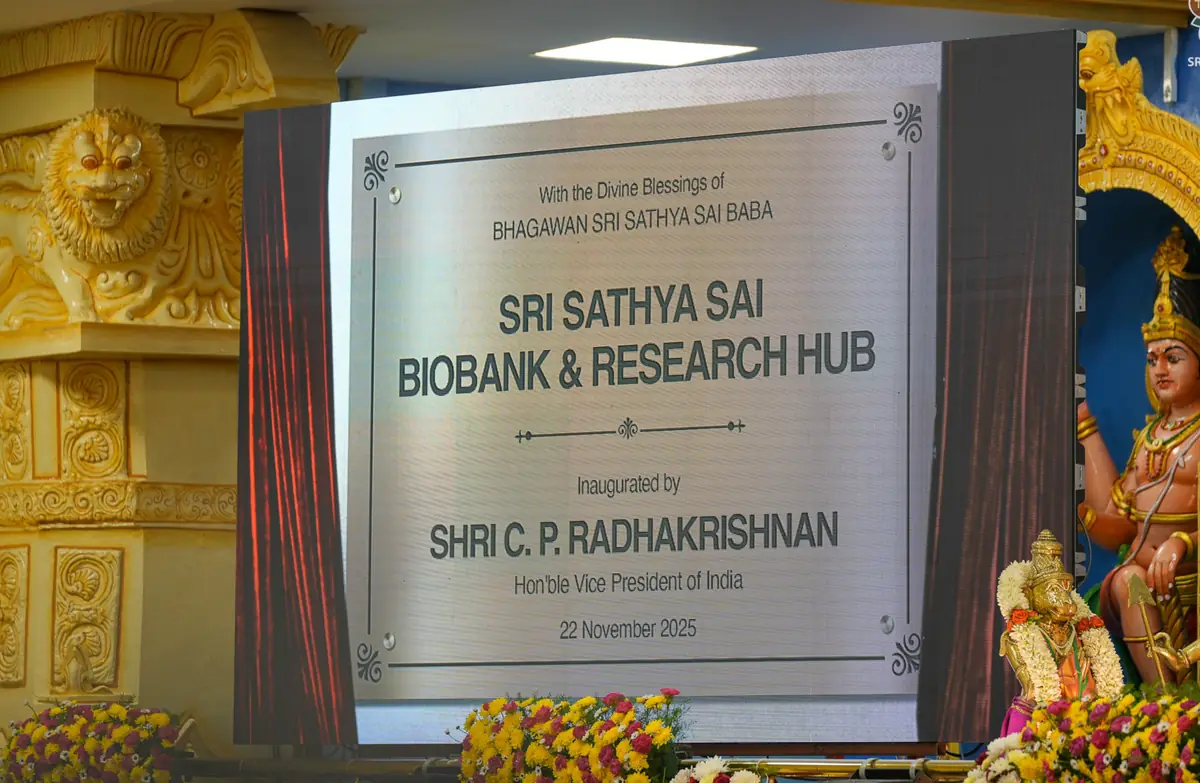
Inaugurated 22 November 2025
Start a conversation
Our research office will reply within a few working days.